Where the Sea Draws the Map: Seasons of Life on Britain’s Tidal Islands
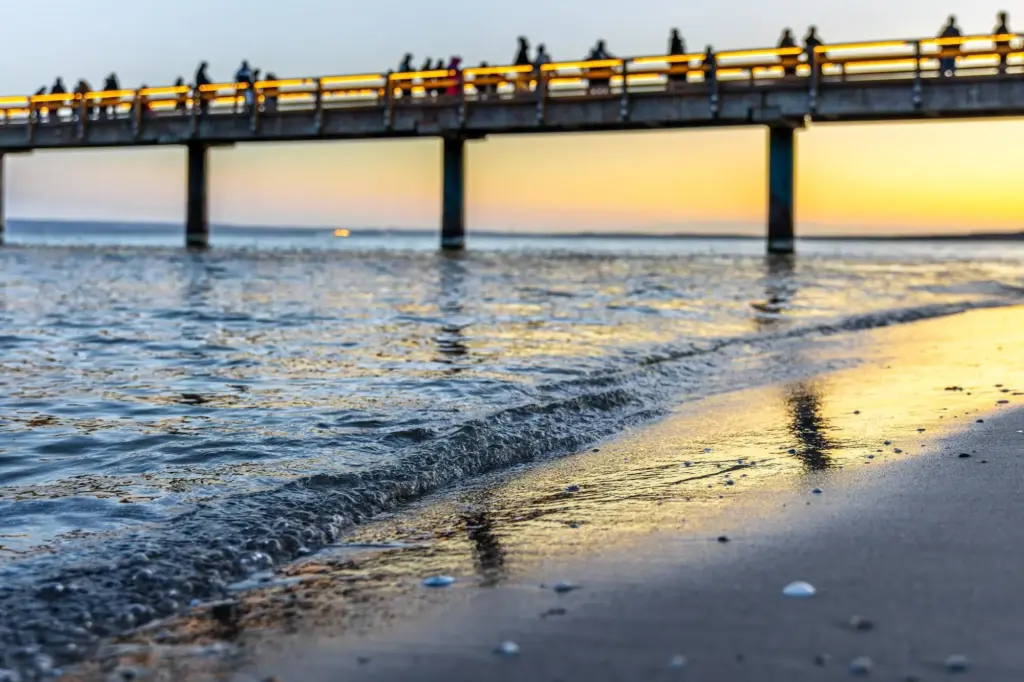
Step into a shifting world where causeways appear and vanish, and wildlife patterns follow the moon’s pull. Today we explore wildlife and birdwatching seasons on Britain’s tidal islands, from Lindisfarne to Hilbre and Burgh Island, discovering when migrants pour through, when roosts tighten, and how tides unveil feeding grounds. Expect practical timing tips, fieldcraft that keeps birds safe, and stories shaped by salt spray, wind, and the comforting rhythm that returns twice each day.

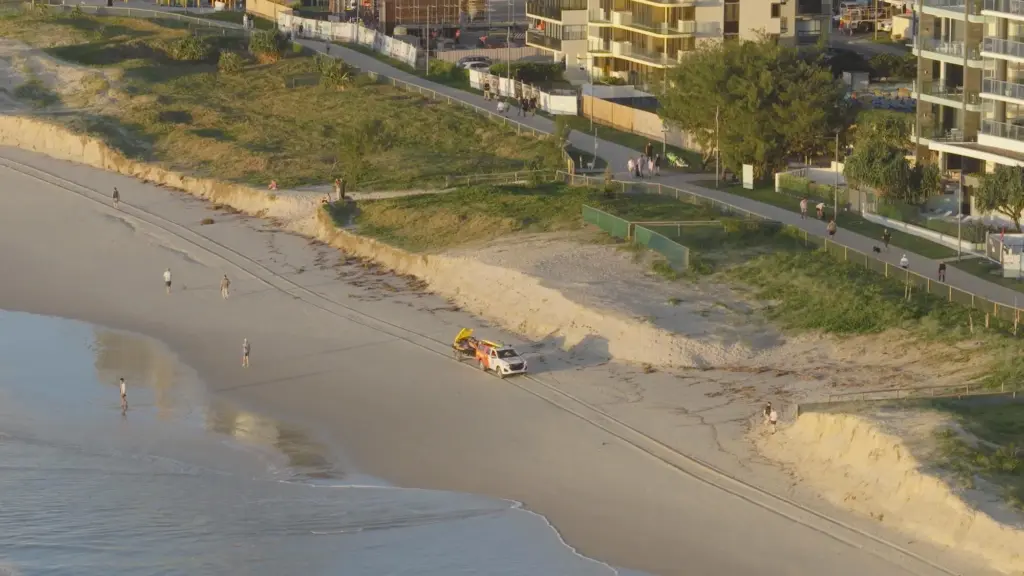
Reading the Tide to Read the Wildlife
Tidal islands teach patience and precision. Low water reveals glittering mudflats, sandworms, and shrimp schools that pull in hungry waders; high water squeezes flocks into tight roosts, perfect for counting and quiet observation. Knowing spring versus neap tides, wind direction, and pressure changes multiplies your chances of witnessing dramatic gatherings without risking a stranded return. Learn to pair the almanac of the sea with your own notes, and calm, deliberate steps.
Spring Arrivals and Coastal Courtships
With primroses brightening lane edges and causeways glittering at dawn, spring transforms tidal islands into busy gateways. Early migrants test the wind, and territories spark into being along shelly beaches and thrift-tufted headlands. Shore-nesting birds begin tender negotiations over pebbled space while warblers thread fresh greenery. Your best moments come at first light and just before the flood, when birds must feed decisively and courtship displays draw fresh lines on familiar shores.
Quiet Hours and Heat Haze
Midday mirage can blur field marks, so shift attention to behavior, habitat choice, and rhythm. Scan rockpools for blennies and quick, glassy shrimps; watch crabs negotiate miniature canyons of weed. Butterflies dance over thrift and sea campion while meadow pipits parachute in soft arcs. When the heat builds, find shade outside sensitive areas and listen: faint chick calls, a tern’s reprimand, or the distant bustle of feeding waders on the cooler, receding edge.
Chicks on Pebbles
Downy plover chicks vanish the instant they stop moving, their patterns echoing pebbles so perfectly it feels like a conjuring trick. Observe from a responsible distance with binoculars or a scope; never tower or linger on obvious nesting lines. Parents’ soft alarm notes and broken-wing displays are signs to back away. Note for your journal how feeding runs align with tiny invertebrate hotspots, and how shaded hollows become nurseries woven directly from sunlight and shell.
Common Seals on the Sand
June and July often bring common seals to warm sandbanks near channels, especially around estuarine tidal islands like Hilbre. Pups rest alongside attentive mothers, and patient, quiet scopes reveal whisker-twitching companionship. Keep at least one hundred meters away, avoid cliff edges, and resist the temptation to reposition too often. Wardens sometimes rope off vulnerable areas; their guidance preserves calm scenes you can enjoy for unhurried minutes that feel remarkably like absolution.
Autumn Passage and Estuary Feasts
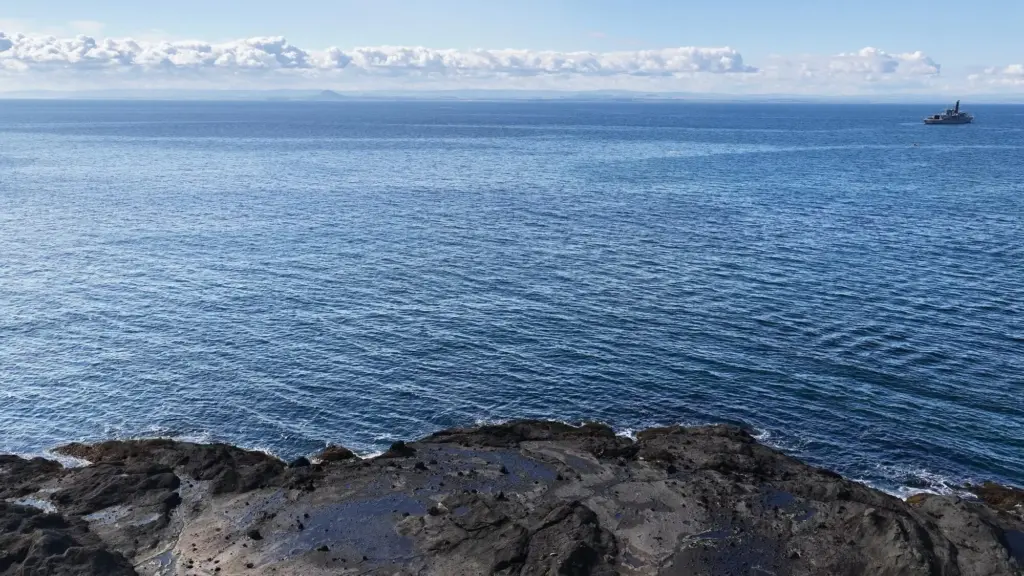
Autumn is urgency rendered in wings. Northern birds return to generous mudflats, building flocks that seem to inhale and exhale as tide lines crumple. Colors mute from breeding brightness to efficient grays, but movement compensates: great swells of knot, godwit, and sanderling knit, divide, and settle again. Storm systems bring surges of opportunity—and caution. With tides climbing and winds reshaping roosts, timing and shelter become the difference between glimpses and unforgettable abundance.
Geese, Ducks, and the Quiet Boom of Wigeon
At Lindisfarne, brent geese graze eelgrass with single-minded grace, their patterns choreographed by the flood’s return. Wigeon whistle and lift in rustling cords, while teal and shelduck flicker across creeks. Keep to marked paths; grazing flocks spook easily and need calories for cold nights. A stable scope and a windbreak reveal small moments—one bird preening frost crystals from its scapulars—that turn chill into something intimate and almost ceremonial.
Rockpools of the Dark Months
Winter rock ledges cradle purple sandpipers, compact and purposeful, edging along barnacled seams beside turnstones with tireless curiosity. St Mary’s Island can hum with these rhythms when daylight is short and honest. Read swell, wear studs if icy, and stay back from slick margins. Low sun emphasizes contrast, making field marks crisp; on calm days, reflected light can lift an entire hour into gentle radiance, perfect for sketching notes and field comparisons.
Frost, Safety, and Short Horizons
Tidal crossings in winter demand planning: daylight windows shrink, black ice surprises, and late return routes drown without sentiment. Carry a headlamp, spare layers, and hot tea; log tide times with generous margins. Share your plan with someone ashore and set a firm turnaround. The reward is profound quiet: a thin horizon, a tuck of birds against weeded stones, and the sense that, briefly, you and the island breathe in measured unison.
Winter Light, Big Tides, and Ice-Edge Resilience
Winter sharpens everything: the glint of a brent goose’s neck, the disciplined feeding of turnstones flipping weed, the thrumming whistle of wigeon traveling like a knitted thought over calm channels. Tidal islands host hardy roosts and vast rafts on spring high waters, while purple sandpipers stitch rocky ledges with quiet persistence. Dress for wind, plan for sudden squalls, and let low sun carve silhouettes that turn familiar shorelines into careful, luminous engravings.
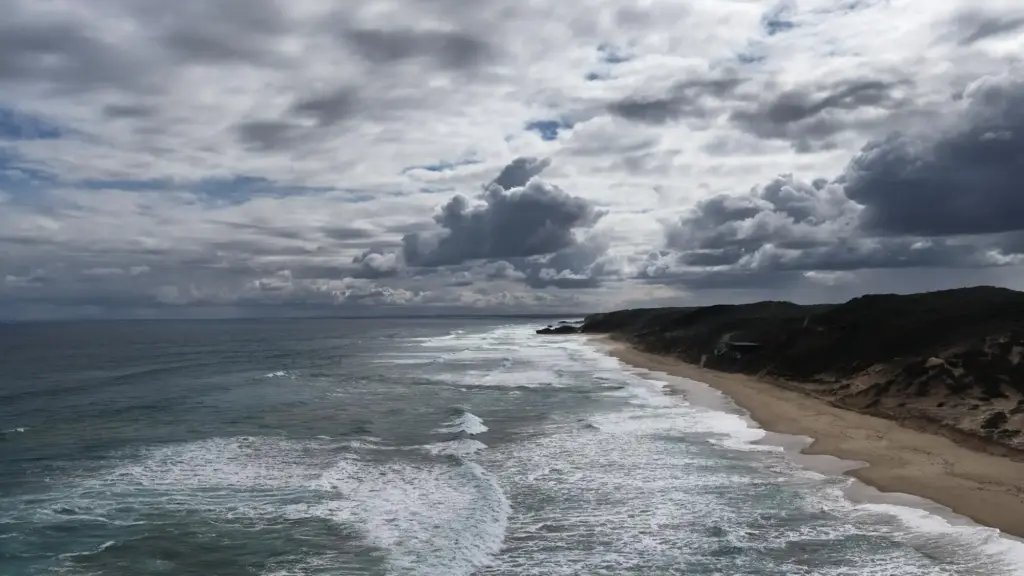
Planning, Tools, and Community for Memorable Encounters
Good encounters are built ahead of time. Match tide tables to weather forecasts and local access notes; learn council guidance for causeways and heed warden advice. Pack optics suited to wind, a notebook that forgives drizzle, and layers that flex between brisk dawns and gentler middays. Then connect: observatories, bird clubs, and citizen science turn solitary joy into lasting protection. Share your findings, subscribe for updates, and help steward these shimmering, temporary islands.
All Rights Reserved.