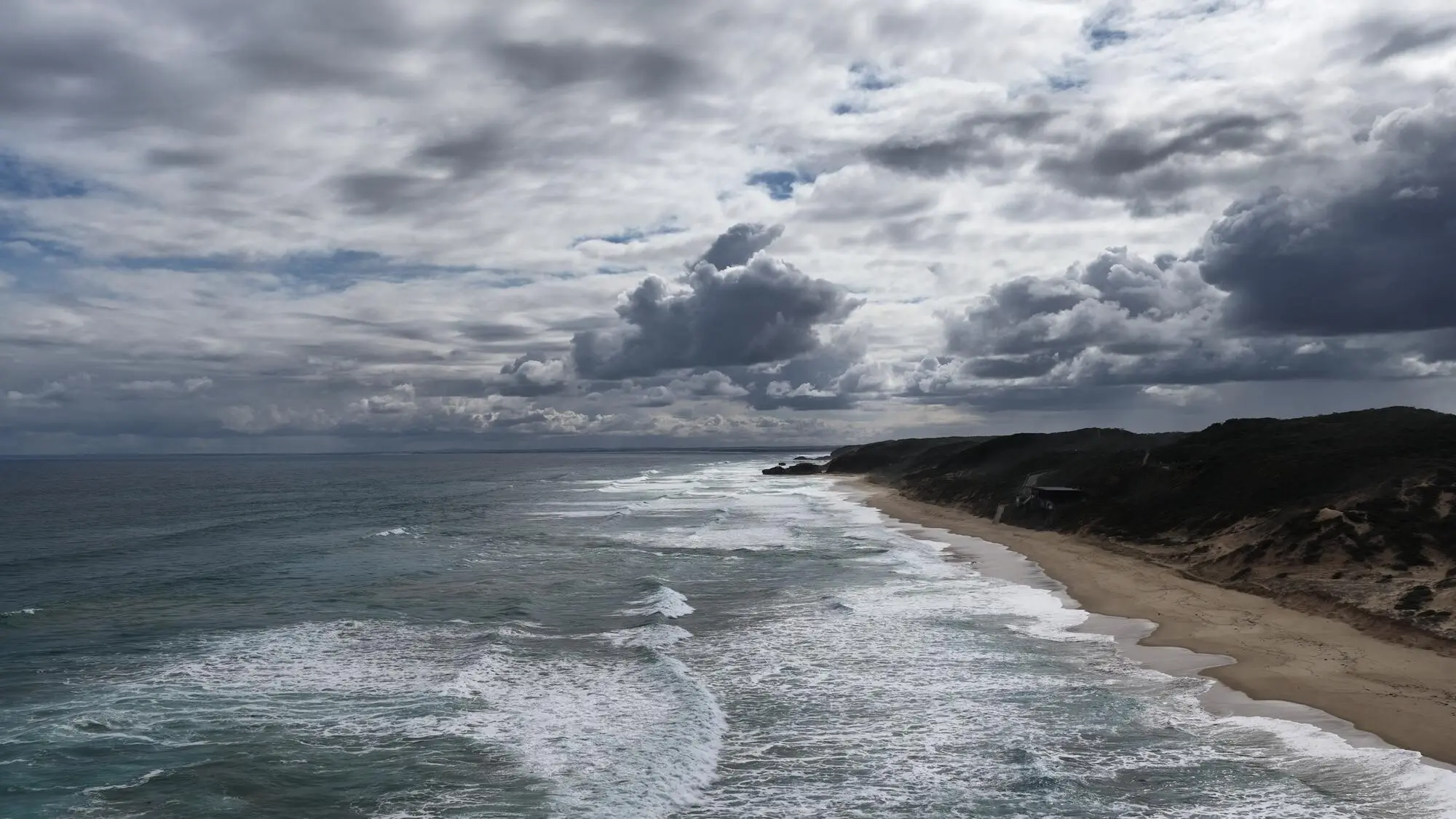
Golden Horizons on Britain’s Tidal Islands
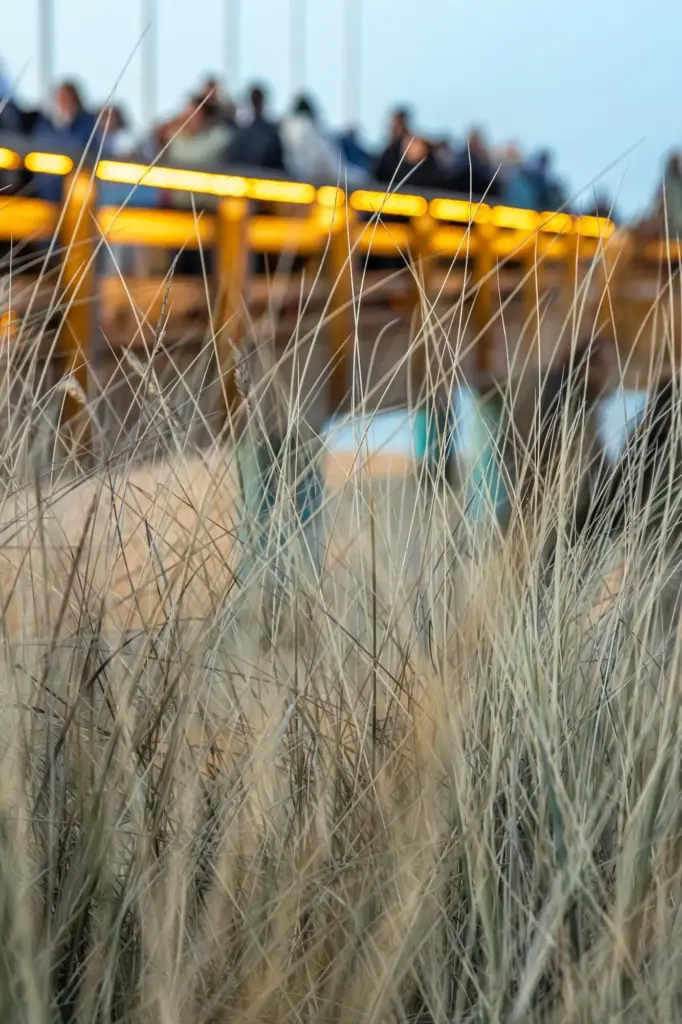
Today we explore photography spots and golden hour views on Britain’s tidal islands, celebrating vantage points shaped by tides, ancient causeways, and shifting light. From Lindisfarne to St Michael’s Mount, we’ll uncover timing strategies, safety wisdom, and composition ideas that help you capture luminous moments between ebb and flow, while respecting local communities and fragile shorelines. Bring curiosity, patience, and a warm layer; the sea rewards those who arrive early, linger gratefully, and leave only gentle footprints and unforgettable images.

Finding the Tidal Rhythm: Planning Your Island Shoot
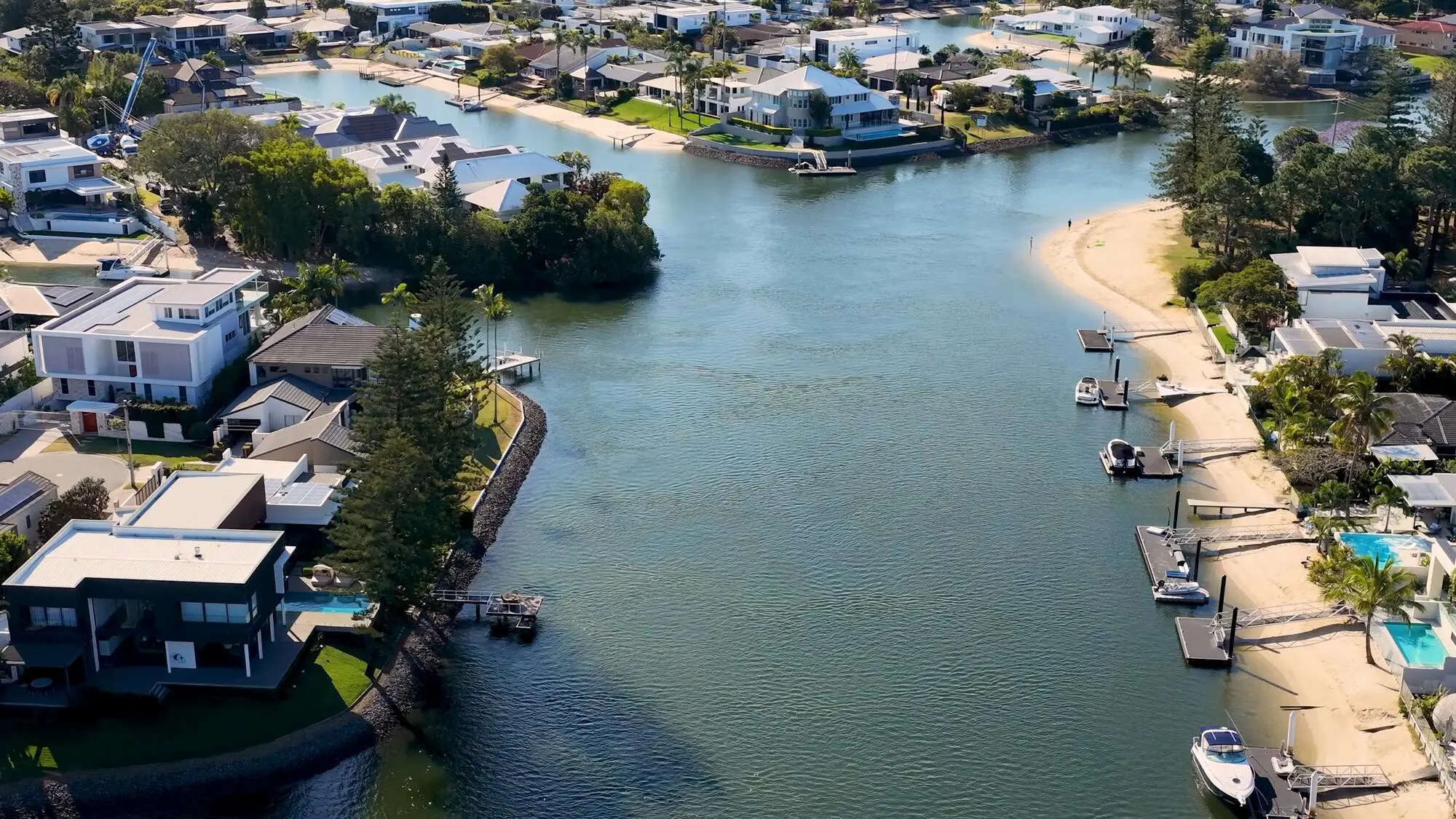
A successful coastal shoot begins long before the first shutter click. Align your arrival with safe crossing windows, anticipate how surf and sky will color the scene, and study how the sun’s low arc will carve textures across wet sands. Combine tide tables with sunrise and sunset calculators, and give yourself generous buffers so inspiration never battles the clock. Embrace contingency routes, seasonal wildlife considerations, and local advice, turning logistics into creative momentum that frees your mind to compose, wait, and truly see.

Reading Tide Tables and Light Like a Local

Tide charts reveal far more than simple numbers; they forecast opportunities. A rising tide can transform reflective pools into dynamic leading elements, while a retreating sea exposes ripples and mirror-flat sands. Pair this knowledge with sun-path apps to predict backlight, rim light, and soft crosslight. When in doubt, ask fishers or wardens for practical insights about currents, swell, and slippery seaweed. Their lived experience refines your timing, helping you frame scenes that feel inevitable rather than accidental.

Safety and Timing on Changing Causeways

Stone and sand causeways tempt photographers to chase a last glow, yet water returns faster than the lens suggests. Plan turn-around times that respect local guidance, weather shifts, and your walking pace. Carry a headlamp, high-visibility layer, and a fully charged phone. If fog rolls in or wind strengthens, embrace higher ground perspectives rather than gambling on shrinking crossings. Safety-first decisions protect not only you, but also rescuers and island communities that prize responsible visitors who treat tides with earned humility.

Packing Smart for Wind, Salt, and Silence

Coastal air carries salt and grit, so prioritize a sturdy tripod, a microfiber arsenal, and weather-sealed bags. Lens cloths dry quickly, but bring spares; mist is relentless during glowing minutes. Choose layers that block wind yet breathe on cliff paths and exposed sands. Add neutral-density and graduated filters, a circular polarizer, and gloves that operate dials without fumbling. Pack snacks and a vacuum flask for patient waiting, and you’ll greet shifting light with steady hands, steady horizons, and steady imagination.

Iconic Isles, Unseen Angles

Lindisfarne’s Quiet Corners Beyond the Priory

Walk away from the main ruins to find fishing sheds fashioned from upturned boats, weathered timbers, and reflective tidal pools near the harbor. At golden hour, the castle crowns the horizon as light curls across eelgrass and sand ripples. Experiment with low, wide perspectives to stretch lines toward the stone silhouette. Arrive well before sunset to note safe paths across slippery patches, then wait until the sky blushes and the village lamps prickle alive, adding a tender human counterpoint to enduring rock.

St Michael’s Mount from the Penzance Promenade

When crowds swell around the causeway, step back toward Penzance and Long Rock to capture layered perspectives: foreground driftwood, glinting channels, and the island rising like a memory from the sea. As the sun lowers, the cobbles catch honeyed highlights while distant sails stitch movement into stillness. Use a longer lens to compress delicate tones into painterly bands. When twilight deepens, balance island lights with residual glow, bracketing cleanly to protect highlights without crushing those faint, whispering colors that hold the mood.

Burgh Island’s Art Deco Lines at Low Tide

The island’s iconic hotel and sweeping curves become graphic statements under slanting light. Arrive at low tide to use wet sand as a giant mirror, isolating architecture against sky. Search for repeating patterns in causeway stones and the island’s shoulder, then align them as elegant vectors leading home. As blue hour approaches, long exposures smooth remaining ripples into satin, letting geometric forms sing. If the sea tractor appears, consider a tasteful motion blur, anchoring nostalgia to time’s quiet, ongoing passage.

Chasing the Golden Hour Over Water

Golden hour at the coast arrives like a gentle negotiation between atmosphere and tide. Warm light angles across wet flats, multiplying highlights and deepening micro-contrasts within ripples and barnacled stones. Managing exposure becomes a creative dance: protect specular reflections without sacrificing shadow nuance. Graduated filters, deft bracketing, and subtle dodging preserve texture. Keep horizon lines honest, and breathe with the cadence of waves. Wait through lull moments; the most astonishing color often blooms minutes after the sun appears to surrender.

Lead-in Lines from Causeways and Ripples

The eye loves paths. Cobblestones, parallel grooves, and receding channels point viewers toward your subject if you let them breathe within the frame. Kneel to exaggerate perspective, but keep horizons straight and dignified. Side light deepens micro-shadows, enhancing dimensionality without overprocessing. If footprints intrude, wait for fresh wash or reframe to emphasize undisturbed patterns. Rehearse positions during scouting, then return for the glow. Strong lines guide curiosity forward, making the journey across wet stone feel inevitable and deeply inviting.

Foreground Shells, Runnels, and Barnacled Textures

Foregrounds turn pretty sunsets into stories. Place shells, driftwood, or kelp knots where textures catch low rakes of light, lending weight to the composition’s base. Stop down enough to hold detail without crushing softer sky gradients. If wind smudges reflections, use quicker exposures and accept lively imperfection. Experiment with gentle focus stacking when time allows, but never lose sight of rhythm and mood. Your goal is not sterile perfection; it is the tactile invitation to step barefoot into remembered salt and sound.

Weather, Mood, and Story

Coastal weather writes its own scripts across Britain’s tidal edges. Veils of mist soften fortresses, squalls ignite prisms around backlit spray, and layered cloud decks sculpt chiaroscuro upon retreating sands. Instead of fearing forecasts, treat them like casting calls for atmosphere. Carry rain covers and microfiber abundance; trust that fleeting breaks often align with tide’s turning. Safety remains paramount, yet boldness within reason rewards. Your photographs become essays about patience, humility, and the ocean’s tender negotiation with stone and time.

Community, Etiquette, and Sharing

Island communities welcome considerate visitors who tread gently and give back. Keep voices low near homes and chapels, yield space to residents, and follow guidance from wardens protecting birds and seals. Step around fragile vegetation and archaeological features, and pack out every crumb. When you publish, credit locations responsibly, focusing on stewardship as much as spectacle. Invite fellow readers to share respectful images, tide tips, and lessons learned. Subscribe for tide-aligned updates, and help grow a culture of beauty grounded in care.

01

Respecting Island Life, Pilgrims, and Nesting Birds

Paths often weave past livelihoods and sacred sites. Slow down for tractors, keep dogs leashed, and avoid blocking doorways with tripods. During nesting season, observe buffers and heed seasonal closures; binoculars sometimes beat telephotos for peace of mind. If a warden speaks, listen gratefully—local knowledge safeguards both wildlife and your experience. Remember that your presence writes a story in villagers’ memories; let it be one of kindness, patience, and quiet awe at living shores that have welcomed pilgrims for centuries.

02

Leave No Trace: Footsteps that Fade with the Tide

Every choice leaves an imprint, even if waves erase footprints. Stay on durable surfaces, avoid crushing delicate seaweeds, and resist rearranging driftwood for temporary perfection. Micro-trash matters; pack spare bags to rescue loose threads and snack wrappers. Clean filters and cloths away from pools so fibers do not drift. Celebrate restraint in captions and conversations, modeling approaches others can follow. When the beach looks untouched after you depart, you’ve made the photograph stronger and the islands’ future a little safer.

03

Join the Conversation, Hashtags, and Skill-Building

Share your favorite photographs, tide strategies, and unexpected lessons in the comments, inviting others to ask questions and trade gentle critique. Use thoughtful hashtags that spotlight stewardship alongside beauty. Consider subscribing for field notes, seasonal location updates, and skill drills that arrive before the next perfect tide. Propose meetups anchored to safe crossings, or upload behind-the-scenes frames that show what worked—and what you’ll try differently. Together we can nurture a generous, learning-forward community that honors light, water, history, and hope.