Paths That Rise with the Tide
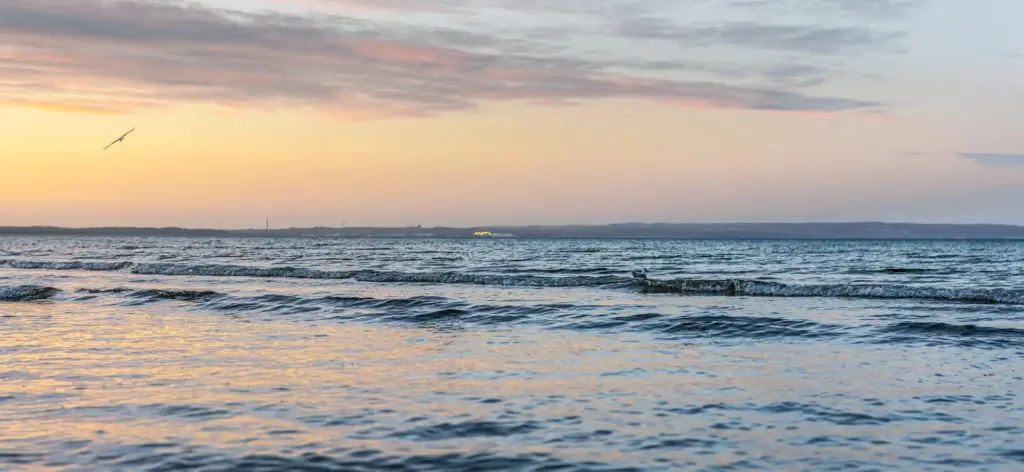
Step onto the shifting edge of land and sea as we trace walking routes and coastal hikes linking to Britain’s tidal islands. From wave-washed causeways to whispering sandways, we share practical timing tips, safety wisdom, and stories that bring these fleeting crossings alive. Today we celebrate patience, preparation, and the quiet thrill of stepping out when waters fall, inviting you to learn, contribute route insights, exchange tide-table tricks, and post photos so others can plan confidently and feel that same salt-bright spark beneath wide, wind-brushed skies.

Reading Tide Tables without Panic

Tide tables are helpful only when translated into footsteps. Note the day’s low-water time, subtract a buffer to start early, and remember spring tides uncover more ground yet flood faster. Cross-check a reliable app with a harbor authority source to avoid outdated data. Sketch times on your map, set an alarm, and treat posted notices as local wisdom, not decoration. Your confidence grows when timing becomes a practiced ritual rather than a last-minute scramble.

Choosing Windows, Margins, and Escape Options

Even a glorious low-water window can shrink under weather pressure. Choose a crossing period that allows exploration and a fully unhurried return. Identify raised ground, steps, or signed refuges along the route, and memorize their positions before the sands look uniform. If surface sheen deepens or channels refill, turn calmly rather than bargaining with minutes. Share your plan with a friend and carry a small headtorch; daylight fades quickly when clouds thicken over a reflective shore.

Weather, Swell, and Stream: The Invisible Push

The map shows land, but the sea dictates tempo. Onshore winds stack water, narrowing safe time while offshore breezes can mislead by smoothing waves yet chilling quickly. Swell and river outflow reshape sand ridges, sometimes erasing yesterday’s familiar ripples. Watch flags, moorings, and kelp strands for subtle movement clues. If whitecaps advance or rain reduces visibility, prioritize a conservative turnaround. Local lifeboat stations publish advice from repeated rescues; their notes are hard-earned, kind guardrails for your adventurous heart.

Tide Sense and Confident Crossings

Success on intertidal routes begins long before your boots touch damp sand. Understand local tide ranges, aim for generous margins around low water, and plan escape options if the sea returns faster than expected. Respect advisory boards, phone apps, and paper tables together, reading them as a chorus, not a solo. Equip a dry bag, spare layers, and a simple whistle, then tell someone your return window. These habits transform anxious dashes into unhurried, memorable passages shaped by knowledge and calm curiosity.

Signature Causeways and Sand Paths

Some crossings sparkle in the imagination because they blend beauty, story, and clear wayfinding. The granite setts to a storied Cornish castle, the pole-marked pilgrims’ line across Northumbrian mudflats, and a capital’s estuarial walkway each invite careful judgment and lingering wonder. Pause for heritage boards, chat with wardens, and notice how architecture changes with tides: steps dry, weed glistens, gulls adjust perches. These routes are introductions to a larger atlas of passages revealed briefly, then tucked back beneath silver water.

The Pilgrim Path to Lindisfarne

At Holy Island, centuries of footsteps weave through shimmering flats, guided by long poles like exclamation marks on the horizon. Start early, keep to the markers, and mind soft patches that shift between seasons. The road causeway is simpler but loses the sensation of reading sand and channel. As bells and seabirds mingle, reflect on monks, manuscripts, and quiet devotion shaped by tides. Share a respectful route note or photo so newcomers appreciate caution as deeply as beauty.

Granite Setts to St Michael’s Mount

When the sea reclines in Mount’s Bay, a cobbled spine appears, leading from Marazion toward towers and terraces that glow at sunset. Wet stones can be surprisingly slick, so slow down and let the view widen rather than hurrying. Check the return time twice; ferries may operate, but wind occasionally suspends service. Stay curious about working harbor rhythms, listening as chains clink and oystercatchers pipe. Even brief crossings feel momentous here, stitched together by surf hush and ancient industrious calm.

Wild Shores: Life Between Tides
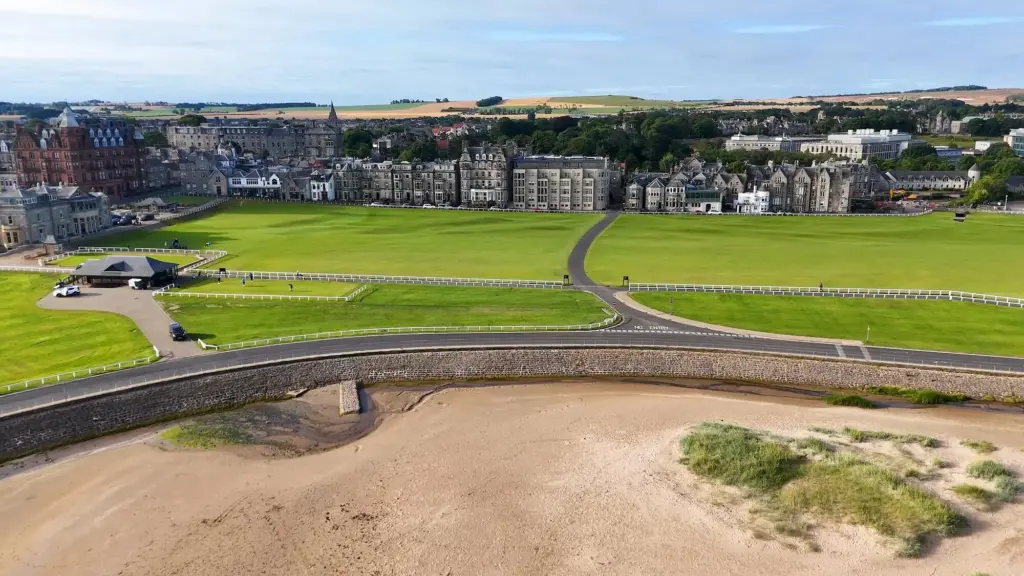
The intertidal zone is a feast for patient eyes. Waders stitch the horizon, crabs sift for shelter, and wrack becomes a miniature forest for creatures clinging through each ebb and flow. Move slowly, keep dogs close, and watch how feeding lines adjust when a gull passes overhead. Binoculars turn dots into drama and teach names that enrich every return visit. Respect roped areas, seasonal closures, and damp corners where nests remain almost invisible until your attention deepens into generous stillness.

Stories in the Salt and Stone

Human footprints across these margins sketch a timeline of prayer, trade, alarm, and ingenuity. Monks navigated stars and sand, fishermen read weather like scripture, and smugglers knew secret steps in blacked-out nights. Lime kilns roared where dunes now soften, and beacons once stitched urgent messages from cape to cape. Pause with plaques, visit small museums, and ask volunteers for oral histories that rarely reach guidebooks. Sharing such tales animates every crossing with remembered voices and living gratitude.

Saints, Monks, and Footprints of Devotion

Imagine rough wool against wind, a lantern cupped from spray, and a path chosen by prayer as much as tide. Manuscripts survived because communities understood patience and shelter. Waymarkers across mudflats echo that same patient trust today. Step lightly, salute hermit cells and chapels with quiet, and leave stones where you found them. When you post photos, add context about preservation charities and visitor etiquette so reverence remains more than a beautiful word on a weathered sign.

Lime Kilns, Beacons, and Working Shores

Many pretty coves still carry the bones of industry: tramway scars, chalk-white kilns, and rusted loops for moorings. They remind us that tides once powered livelihoods as predictably as they now schedule strolls. Read interpretive boards; sketch how structures align with channels and prevailing wind. Talk to fishers at respectful moments about bar crossings and nets. Your notes can help future walkers read landscape like a ledger, where every notch and culvert once balanced effort, season, and swell.

War Relics, Lookouts, and Echoes of Alarm

Pillboxes squat by dunes, anti-boat pylons stride across flats, and concrete shelters offer eerie acoustics on gusty days. They whisper of scanning horizons, coded messages, and lighthouse keepers doubling as watchmen. Photograph thoughtfully, avoiding dangerous climbing, and never disturb nesting spaces inside. Consider how route signage inherits a mindset of vigilance, now turned toward safety rather than threat. Invite veterans’ families or local historians to comment with anecdotes, anchoring your modern wander in a wider, humbling story.

Footwear, Layers, and Dry Bags that Earn Trust
Intertidal footing can shift from firm ripples to greasy cobbles in a dozen strides. Lightweight boots with dependable tread or amphibious shoes reduce slips, while merino layers handle sudden chills without bulk. A roll-top dry bag protects maps, camera, and spare socks, turning splashes into minor comedy rather than crisis. Keep a microfiber towel, small blister kit, and gloves for cold railings. When you review gear, include real photos, not catalogs, and mention what failed as helpfully as what worked.

Navigation Apps, Paper Maps, and Battery Wisdom
OS mapping apps shine, yet batteries fade faster in wind and cold. Carry a folded paper map inside a zip pouch and note grid references for start points, refuges, and exit steps. Pre-download tiles for patchy signal, dim your screen, and pack a light power bank. Learn to convert tide times into waypoints on your route card. Share annotated screenshots with the community; seeing your logic helps others refine their own planning habits, strengthening a culture of clarity and calm.

Leave No Trace on Fragile Sands

Beauty here depends on restraint. Stick to established lines where posts exist; elsewhere, spread out over hard sand to avoid trampling soft vegetation. Pack out every wrapper, even wind-blown strangers. Keep dogs leashed near birds and stock. Skip fires and drones; both disturb far beyond their small footprints. If you move a rock to peek beneath, return it gently. Add your practical ideas for beach clean-ups or citizen science surveys, turning admiration into steady, cheerful care for shorelines we all cherish.

Quieter Crossings and Local Secrets

Hilbre Islands across the Dee

From West Kirby you step onto broad sands, skirting channels toward Little Eye, then Middle Eye, finally Hilbre with red rock and seal-watching perches. Check tide boards and aim for generous windows; flooding here feels surprisingly quick. Bring binoculars and listen for eiders’ soft calls. Mark your outbound footprints, but trust bearings over memory when ripples erase them. Post your route lines and timings to help weekend walkers leave enough daylight for a relaxed, thoughtful return.

Worm’s Head from Rhossili

Gower’s dragon-backed ridge invites bold hearts and sensible boots. The causeway is rugged, often wet, and strictly time-limited by racing tides. Rangers publish windows; heed them and avoid pushing late returns. Views spill across Rhossili Bay, while kittiwakes stitch white threads along cliffs. Hands help on short scrambles, especially in drizzle. Celebrate your crossing by sharing precise start and turnaround times, plus photos that show true terrain, not only the postcard profile glowing in golden sun.

Davaar’s Dhorlin to a Hidden Fresco

From Campbeltown, a shingle and sand bar emerges toward Davaar’s lighthouse and a sea cave where a remarkable painting once startled villagers. The dhorlin floods swiftly; begin early and respect any notices. Watch otters among kelp and let Atlantic light rinse the hills. Underfoot textures change frequently, rewarding slower steps. Add notes about parking, bus options, and where the surface turns pebbly. Your careful guidance turns a romantic whisper into a safe, satisfying walk framed by story and sound.